Humidity-Proof Your Home: Fighting Mould and Rust in Singapore
Fighting Mould and Rust in Singapore home? Discover expert handyman tips to humidity-proof your space and protect it from daily moisture damage.
handyman.sg
12/8/2025
Humidity-Proof Your Home: Fighting Mould and Rust in Singapore
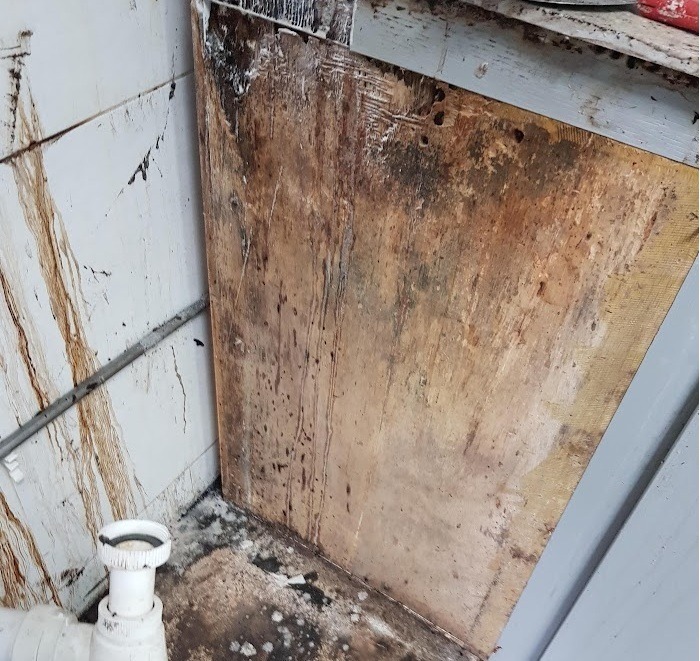
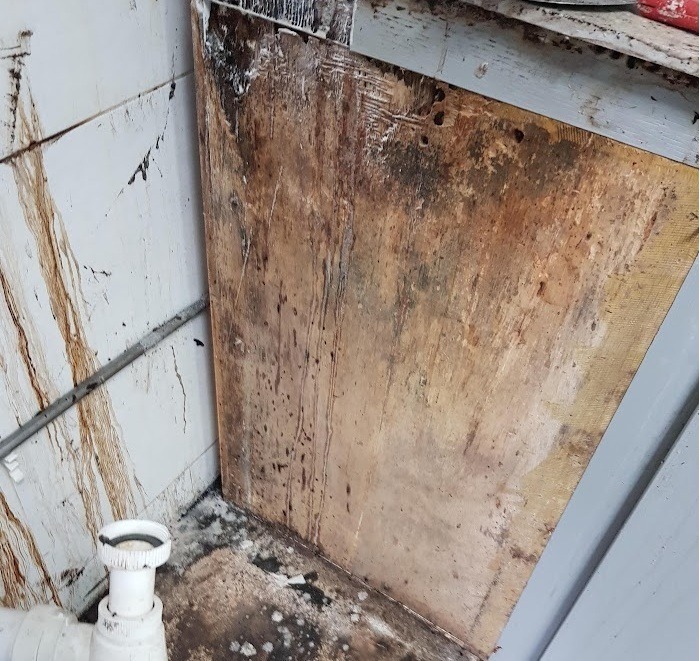
Singapore’s tropical climate is both a blessing and a curse. The warm, moist air keeps our island lush and green, but it also creates the perfect breeding ground for unwanted guests, mould, mildew, and rust.
Whether you live in a high-rise condo, an HDB flat, or a landed property, high humidity affects your home in subtle yet damaging ways. Paint peels, walls darken, furniture warps, and metal fixtures corrode faster than expected. But don’t worry, you can fight back.
In this guide, we’ll show you how to humidity-proof your home, protect your belongings, and create a fresher, healthier living environment with practical fixes and professional handyman insights specially tailored for Singapore’s weather.
🧫 Understanding the Problem: Why Mould and Rust Thrive in Singapore
Singapore’s average humidity level hovers between 75% and 95%, which means moisture is almost always present in the air. Combine that with poor ventilation and occasional leaks, and you have the perfect environment for fungal growth and metal corrosion.
The usual suspects:
Bathrooms: Poor ventilation and constant moisture mean fast mould growth on tiles, grout, ceilings, and caulking.
Kitchens: Steam, water spills, and warm air contribute to damp corners and rusting appliances.
Bedrooms and wardrobes: Trapped humidity forms mould on clothing, leather bags, and shoes.
Metal fixtures: Rust shows up on window frames, hinges, door handles, and even ceiling fan parts.
Did you know? Mould isn’t just ugly — it can cause allergies, worsen asthma, and leave a musty smell that’s difficult to remove.
🏠 Section 1: Mission Dehumidify — Controlling the Moisture
The first and most important step in humidity-proofing your home is simple: control the moisture level.
1. Use Dehumidifiers Effectively
Invest in a good-quality dehumidifier for areas that trap moisture easily bedrooms, storerooms, and enclosed kitchens.
For small rooms, 12–20L/day capacity models are sufficient.
For larger spaces or severe humidity issues, go for industrial-style units.
Empty the tank frequently or connect it to a drainage pipe for convenience.
Pro Tip: Run your dehumidifier after bath time or cooking sessions; 1–2 hours daily can drastically reduce mould growth.
2. Improve Air Circulation
Stagnant air feeds mould.
Install ventilation fans in bathrooms and kitchens.
Keep wardrobe doors slightly open occasionally to prevent trapped humidity.
Place an exhaust fan in storerooms or laundry areas if natural airflow is limited.
A handyman can help you install these fans neatly without damaging walls or ceilings — and wire them safely.
3. Air Conditioning Helps, Too
Air conditioners naturally remove humidity from the air. Use the “Dry” or “Dehumidify” mode to maintain ideal indoor moisture levels (around 50–60%).
🧽 Section 2: Deep Clean & Prevent Mould Build-Up
Once you control moisture, it’s time to clean up existing mould and prevent it from returning.
1. Identify Common Mould Spots
Look out for:
Ceiling corners and edges.
Silicone sealant lines around bathtubs and sinks.
Walls behind furniture or inside wardrobes.
Window sills and aircon vents.
Mould often starts small — grey or black spots — and spreads quickly once ignored.
2. Natural vs. Chemical Cleaners
You can start with natural remedies (white vinegar, baking soda, or hydrogen peroxide) for light mould.
For stubborn cases:
Use anti-fungal cleaners or chlorine-based mould removers.
Always wear gloves and a mask while cleaning.
Rinse and dry the surface thoroughly afterwards.
Avoid bleach on porous materials like wood or unsealed grout which may cause discolouration.
3. Apply Anti-Mould Paint & Sealants
After cleaning, it’s crucial to protect your walls and ceilings for the long term.
Anti-mould paints contain fungicidal additives that resist growth for up to 3–5 years.
Silicone sealants should be replaced if they blacken or peel. Opt for bathroom-grade anti-fungal sealant.
A handyman can help re-seal joints neatly and repaint affected areas without streaks or patchiness.
🔩 Section 3: Preventing Rust Saving Your Metals & Fixtures
Rust prevention is often overlooked until it’s too late. Once corrosion starts, it spreads quickly, weakening metal parts and leaving orange-brown stains.
1. Identify High-Risk Areas
Window and door hinges.
Balcony grills or gates.
Ceiling fans and lighting fixtures.
Bathroom accessories eg: towel racks, taps, screws.
Metal furniture or cabinets.
2. Keep Surfaces Dry
Wipe down metal surfaces frequently, especially after showers or heavy rain.
If your windows fog up due to condensation, open them briefly during dry mornings to ventilate.
3. Protective Coatings
Apply a clear anti-rust coating, such as WD-40 or specialised rust inhibitors.
For iron gates or balcony railings:
Repaint every few years with anti-rust or weather-resistant paint.
Clean thoroughly before applying to remove existing rust spots.
Handymen can help you prep and repaint outdoor metalwork efficiently and safely, especially when heights are involved.
4. Replace Severely Corroded Fixtures
When rust eats through fixtures like door handles, hinges, window latches, replacement is often more cost-effective than repair.
A professional handyman can source identical replacements and install them without damaging your surfaces.
🛋️ Section 4: Mould-Proofing Furniture & Fabrics
1. Use Moisture Absorbers
Small spaces like wardrobes, drawers, and shoe cabinets need constant humidity control.
Use desiccant products like Thirsty Hippo or activated charcoal bags.
Replace monthly during the wet season.
2. Keep Furniture Away from Walls
Wooden furniture should be at least 2–3 cm away from the wall to allow airflow and prevent damp patches that lead to mould.
3. Treat Wooden Surfaces
Apply wood sealants or varnishes to exposed wood for dining tables, bookshelves, and bed frames to reduce moisture absorption.
4. Avoid Heavy Curtains and Carpets
In tropical humidity, heavy fabric traps moisture. Go for washable, lightweight curtains and use rugs instead of fitted carpets for easier maintenance.
🧯 Section 5: Structural & Preventive Measures for a Long Term Fix
1. Seal Gaps and Leaks
Leaky pipes, windows, or ceilings cause localised dampness that encourages mould spread.
Have a handyman inspect:
Under-sink cabinets for water damage.
Bathroom walls or ceilings for seepage stains.
Window frames for water ingress during rain.
Fix leaks promptly; the longer they persist, the deeper moisture seeps into walls.
2. Waterproof Bathrooms and Kitchens
If your bathroom tiles or grout show signs of water absorption (dark patches, peeling paint, or a musty smell), your waterproof layer may have deteriorated.
Professional handymen can regrout, reseal, and even apply a clear waterproof coating to protect the substrate from future leaks.
3. Regular Home Inspections
A once-yearly handyman inspection can catch potential issues early:
Checking for early rust.
Evaluating paint health.
Identifying mould-prone corners.
Think of it as an annual “health check” for your home.
🌿 Section 6: Eco-Friendly & Healthy Humidity Control Tips
1. Add Natural Air-Purifying Plants
Plants such as peace lilies, snake plants, and Boston ferns absorb moisture and purify indoor air. Place them in well-lit corners but don’t overwater!
2. Choose Naturally Mould-Resistant Materials
When renovating, look for:
PVC or aluminium window frames (instead of iron).
Anti-fungal grout and sealing materials.
Vinyl flooring instead of wood for humid rooms.
3. Avoid Trapping Moisture During Cleaning
After mopping, allow the floor to dry fully before closing windows. Avoid air-drying clothes indoors for long periods whenever possible — they raise indoor humidity drastically.
🧰 Section 7: When to Call a Professional Handyman
Sometimes, DIY solutions aren’t enough especially for repeated mould growth or severe rust damage. A professional handyman can help you:
Inspect for hidden leaks behind walls or tiles.
Repaint walls with anti-mould coating.
Replace corroded hinges, fittings, and frames.
Install mechanical ventilators or exhaust fans.
Regrout tiles and reseal wet areas neatly.
Having an expert handle these issues ensures durability and prevents the same problems from recurring every few months.
🌈 Section 8: The Benefits of Keeping Your Home Humidity-Proof
Humidity-proofing your home goes beyond aesthetics. It’s about creating a healthier, safer, and longer-lasting environment. Here’s what you gain:
Better Indoor Air Quality less mould means fewer allergens and irritants.
Longer Lifespan for Furniture and Fixtures.
Lower Repair Costs when prevention is consistent.
A Fresher, Pleasant-Smelling Home.
Increased Property Value well-maintained homes retain value better over time.
🏡 Ready to Humidity Proof Your Home?
Singapore’s humidity isn’t going anywhere but mould and rust don’t have to be part of your life.
Whether you’re tired of repainting your ceiling, replacing rusty fittings, or scrubbing bathroom tiles endlessly, preventive action makes all the difference.
That’s where Handyman Singapore can help. Our professionals provide:
Anti-mould painting & re-sealing services.
General home maintenance and minor repairs.
Waterproofing, grouting, and leak inspection.
Ventilation and installation services.
We know Singapore’s humidity challenges and we’ve mastered how to fight them.
🔧 Book your handyman service today at www.handyman.sg
and let’s help you create a cleaner, healthier home that stays mould-free all year round.
SERVICES
Expert handyman & renovation services for homes, offices, and factories.
Contact
📞 Handyman Services: +65 8336 6682
✉️ Email: hello@handyman.sg | aaron@handyman.sg
About US: www.handyman.sg is proudly and exclusively owned and operated by Arctic Breeze Engineering. We maintain no affiliation with third-party listing platforms or independent 'Mr. Handyman' entities
www.handyman.sg
Owned and operated by:
Arctic Breeze Engineering
71 Woodlands Ave 10, #05-16 Woodlands Industrial Xchange, Singapore 737743
**Sister Company**
Reno Guys Pte Ltd
71 Woodlands Ave 10, #07-10 Woodlands Industrial Xchange, Singapore 737743
BUSINESS / FACTORY OFFICE ADDRESS
Contact
📞 Reno Guys / Office: +65 6993 8888
✉️ Email: aaron@renoguys.com.sg
🌐 Website: www.renoguys.com.sg