Are Your HDB Power Sockets Safe? The Essential Guide to Electrical Wiring Upgrades in Singapore
Worried about old wiring or overloaded sockets? Our guide covers HDB electrical safety, upgrade costs, and why you must use an EMA-Licensed Electrician in Singapore. / Are Your HDB Power Sockets Safe? The Essential Guide to Electrical Wiring Upgrades in Singapore"
handyman.sg
11/30/2025


Understanding HDB Electrical Wiring
In Singapore, Housing and Development Board (HDB) flats typically utilize a standard electrical wiring system that has evolved over the years. Most HDBs, particularly older ones, were constructed during a timeframe when wiring standards were not as stringent as today’s regulations. Consequently, understanding the common types of electrical wiring systems in HDB flats is crucial for homeowners, especially in assessing the safety and functionality of their power sockets.
The conventional wiring systems employed in older HDB flats often include rubber-insulated cables which, although they were considered safe at the time, may degrade over the years due to age and wear. In contrast, modern HDB properties are built with improved safety standards, commonly featuring PVC insulated conductors. This newer wiring not only conforms to current safety regulations but also minimizes the risk of electrical fires or electric shock incidents, making it vital to evaluate whether your residential wiring meets contemporary safety benchmarks.
Additionally, the age of an HDB flat plays a significant role in the condition of its electrical system. HDBs constructed several decades ago may have wiring that is increasingly prone to faults. Homeowners should be vigilant and aware that overloading circuits by using multiple appliances can exacerbate the risks of electrical hazards. Recognizing the limitations of older wiring systems can empower residents to make informed decisions about necessary upgrades or replacements.
Modern electrical codes call for more extensive safety features, such as circuit breakers designed to prevent overloads. This is a stark contrast to the wiring setups in many older flats. By assessing the current state of your HDB electrical wiring against these standards, you can better determine if your power sockets are safe or if an upgrade is essential for enhanced safety and efficiency.
Signs of Unsafe Wiring
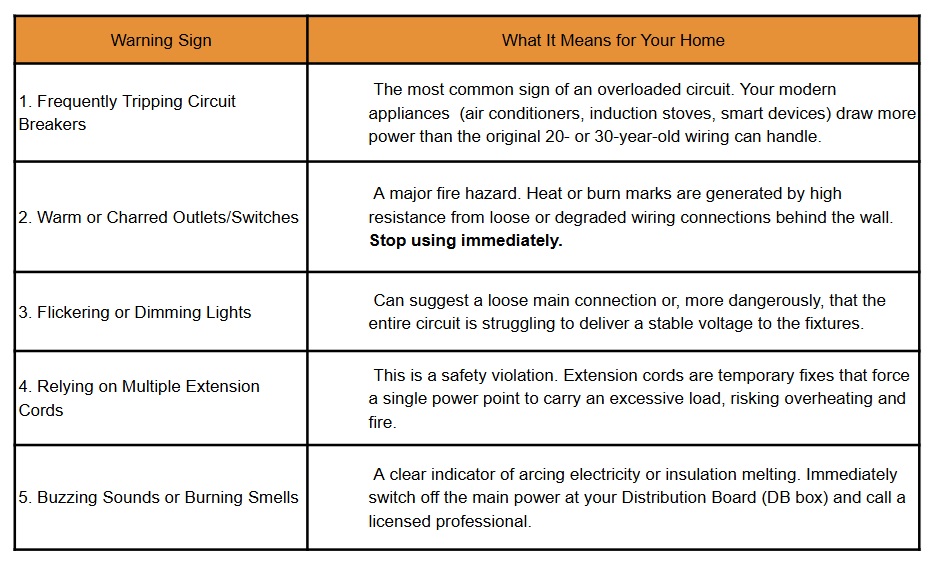
Electrical safety is paramount in any home, including HDB flats in Singapore. Recognizing the signs of unsafe wiring can prevent serious hazards such as electrical fires or shocks. One of the most common indicators is the frequent tripping of circuit breakers. Circuit breakers are designed to cut off electrical flow when there is an overload or fault in the circuit. If you notice that your circuit breakers regularly trip without an apparent reason, it might signify underlying wiring issues that require immediate investigation.
Another critical symptom to watch for is unusual burning smells emanating from outlets or electrical appliances. This odour indicates that electrical components may be overheating, potentially leading to a fire if not addressed promptly. Alongside this, flickering lights can also signal unsafe electrical wiring. If lights inconsistently dim or flicker, it could imply a loose connection or damaged wiring, increasing the risk of electrical failures or more severe hazards.
Moreover, scorch marks around power sockets are stark evidence of unsafe wiring. These marks suggest that electrical components are under stress, possibly due to a poor connection or faulty wires. It is vital that any presence of scorch marks be examined by a qualified electrician, as it could indicate a dangerous situation. Other signs may include an increase in your electric bill, which could be a result of faulty wiring systems drawing excessive power.
Being aware of these signs is crucial in maintaining safe and functional electrical systems in HDB homes. Early intervention can mitigate the risks associated with unsafe wiring, ensuring the safety of residents and preserving the integrity of the living space. If you notice any of these warning signs, it is advisable to consult a licensed electrician for a thorough inspection and necessary upgrades.
The Importance of Upgrading Electrical Wiring
Upgrading electrical wiring is crucial for ensuring the safety and efficiency of a home’s electrical system. Many older HDB (Housing & Development Board) flats in Singapore were constructed decades ago and have wiring systems that may not meet contemporary safety regulations. As technological advancements have occurred, the demand for electricity in households has increased significantly, potentially making outdated systems inadequate and unsafe.
One of the primary reasons to upgrade electrical wiring is to mitigate the risk of electrical fires. Deteriorating or inadequate wiring can lead to overheating, which is a significant fire hazard. In cases where wiring insulation has deteriorated, exposed wires can create short circuits, leading to dangerous situations. By modernizing the electrical system, homeowners can significantly reduce the likelihood of such incidents, thereby ensuring the safety of all occupants.
Moreover, upgrading electrical wiring enhances the overall efficiency of the electrical system. Modern wiring techniques and materials allow for a greater load capacity, which means they can handle the demands of today’s appliances and technology without overheating or short-circuiting. This efficiency translates into lower electricity bills and improved performance of devices, as older wiring can lead to voltage drops that affect appliance functionality.
It is also essential to consider that outdated wiring can lead to accidental electrocutions or shocks. Replacing outdated systems with current standards greatly reduces these risks, providing peace of mind to residents. Ensuring that electrical wiring is updated not only promotes safety but also increases the value of the property, making it a wise investment for homeowners.
In conclusion, the importance of upgrading electrical wiring in HDBs cannot be overstated. This upgrade is vital in preventing hazards like electrical fires and electrocutions, while also enhancing electrical efficiency. Homeowners must prioritize upgrading their systems to adhere to safety standards and protect their homes and families.
Cost Considerations for Wiring Upgrades
The cost of upgrading electrical wiring in HDB flats can vary significantly based on a number of factors. On average, homeowners may expect to spend between SGD 1,500 to SGD 4,500 for a comprehensive wiring upgrade. This cost typically includes materials, labour, and any necessary permits or inspections required by the Housing and Development Board (HDB) in Singapore. It is essential for homeowners to understand these costs to budget appropriately for their projects.
Several factors can influence the overall expense of wiring upgrades in HDB units. One of the most significant elements is the size of the apartment. Larger spaces often require more extensive wiring work, which can increase both material and labour costs. Additionally, the complexity of the existing electrical system can affect pricing. For instance, if the current setup contains outdated or non-compliant wiring, electricians may need to undertake extensive renovations, further driving up costs. It's also worth noting that the accessibility of wiring locations can impact labour charges; areas that are difficult to reach may require more time and effort to upgrade.
Despite the upfront costs associated with wiring upgrades, homeowners should consider the long-term savings and benefits. Upgraded electrical systems are generally more efficient, with the potential to decrease electricity bills. Moreover, modern wiring can reduce the risk of electrical hazards, such as short circuits or electrical fires, providing peace of mind. This investment in safety and efficiency can be seen as both a financial and practical decision, enhancing the overall liveability of the home. Homeowners should weigh these considerations carefully when planning for wiring upgrades in their HDB flats.
E.M.A. Rules and Regulations for Electrical Works
In Singapore, the regulation of electrical works is primarily overseen by the Singapore's Energy Market Authority (EMA) which has established a comprehensive framework to ensure the safety and reliability of electrical systems. The E.M.A. mandates that all electrical installations and modifications must be performed by licensed electricians who are qualified to execute such work. These professionals are required to hold a valid license issued by the E.M.A. or other relevant authorities, which attests to their competency in adhering to the established safety standards.
One of the key regulatory requirements is that all electrical works must comply with the Singapore's Energy Market Authority (EMA) requires all electrical wiring to be carried out by a Licensed Electrical Worker (LEW) to ensure safety and compliance with regulations like SS 638.. This document outlines the essential safety principles and guidelines that electricians must follow when conducting installation or upgrades. It is crucial for homeowners to engage only licensed electricians who are familiar with these standards to ensure that all works are not only safe but also compliant with Singapore's legal framework.
The responsibility of homeowners is to be aware of these regulations and to verify that any electrical work done in their residences is executed by individuals who possess the appropriate licensing. This diligence not only promotes safety but also assists in preventing potential hazards that could arise from improperly managed electrical installations. Non-compliance with E.M.A. regulations can lead to serious consequences, including fines and the risk of electrical fires or shock.
Furthermore, staying informed about the rules concerning electrical upgrades can empower homeowners to make safer decisions regarding their electrical installations. Understanding the significance of professional qualifications and compliance with set standards is vital in fostering a secure living environment. Adhering to the E.M.A.’s regulations is an essential step in upgrading your home’s electrical systems effectively and safely.
Choosing the Right Electrician for Your Upgrade
Selecting a qualified electrician for wiring upgrades in your HDB is a critical step to ensure safety and compliance with Singapore’s electrical standards. Begin by focusing on licensed electricians, specifically those holding an E.M.A. (Energy Market Authority) license. This license signifies that the electrician has undergone the necessary training and adheres to regulations governing electrical installations and safety in Singapore.
To verify the qualifications of potential electricians, you can request copies of their licenses and certifications. These documents not only confirm their legal ability to perform electrical work but also reflect their commitment to adhering to national safety standards. Moreover, electricians who are members of professional bodies often have access to ongoing training, which can be an indicator of their dedication to staying updated with the latest industry practices.
Understanding the range of services offered by an electrician is equally vital. Some electricians may specialize in residential electrical upgrades, while others may have experience in commercial or industrial projects. Clearly outline your specific needs, such as installation of new power sockets or complete rewiring, and ensure that the electrician has a demonstrated history of handling similar projects. By discussing your requirements upfront, you can ascertain whether they possess the necessary expertise for your particular situation.
Client reviews and testimonials also play a pivotal role in selecting the right electrician. Researching customer feedback on platforms such as Google Reviews or local forums can offer insights into the quality of service provided, reliability, and overall customer satisfaction. Pay close attention to reviews that mention safety, professionalism, and responsiveness, as these aspects are fundamental in choosing an electrician who prioritizes your safety during electrical upgrades.
Maintenance Tips for Safe Electrical Systems
Ensuring the safety of electrical systems in HDB flats requires consistent maintenance and vigilance. Routine checks are crucial; conduct visual inspections of power sockets, switches, and electrical appliances at regular intervals. Look for any signs of wear and tear, such as frayed wires, discoloration, or unusual smells, which may indicate a potential hazard. If you notice any abnormalities, it is essential to address them promptly to prevent further issues.
Another vital aspect of maintaining electrical safety is the importance of prompt repairs. If you experience flickering lights or power outages, do not ignore these signals, as they may indicate underlying electrical problems. Engaging a licensed electrician to diagnose and fix these issues can significantly reduce the risk of electrical fires or short circuits. Additionally, ensure that circuit breakers and fuses are in good working condition and replace them as necessary to maintain the integrity of the system.
General safety practices also play a significant role in safeguarding electrical installations. Avoid overloading power sockets with multiple devices, as it can lead to overheating and potential fire hazards. Instead, utilize power strips with surge protectors to distribute the electrical load more evenly. Furthermore, educate all family members about the proper usage of electrical devices and the significance of unplugging appliances when not in use to minimize energy waste and hazards.
Regular maintenance not only enhances the safety of existing electrical systems but also prolongs their lifespan. By staying alert to potential issues, performing routine checks, and ensuring prompt repairs, homeowners can foster a safer living environment in their HDB flats. These practices are essential for both preventing electrical issues and ensuring compliance with Singapore's stringent safety regulations, providing peace of mind for residents.
In Singapore, all new electrical installations, modifications, or full rewiring jobs must be carried out by a Licensed Electrical Worker (LEW) who is certified by the Energy Market Authority (EMA). Engaging an unlicensed contractor for this work is illegal and voids your home insurance coverage for electrical fires.
Handyman.sg guarantees that all electrical work is performed by our EMA-Licensed Electricians.
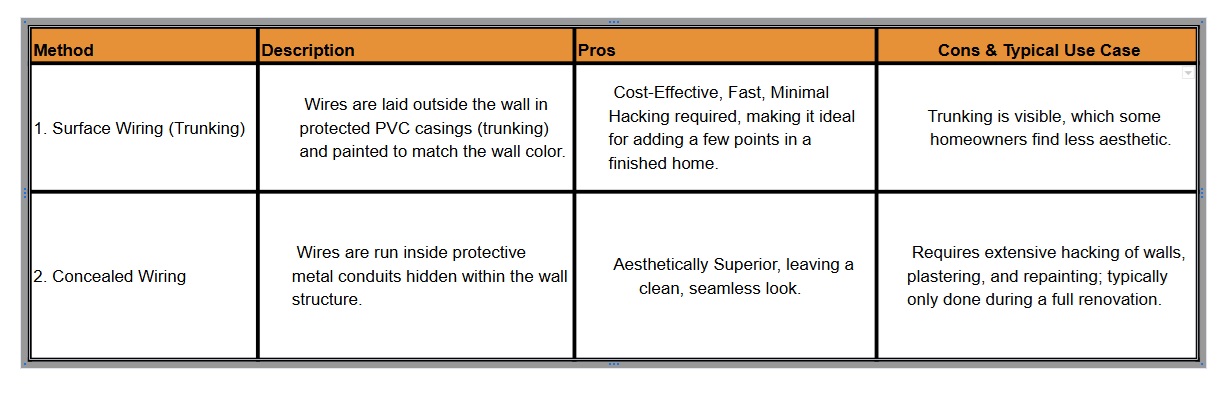
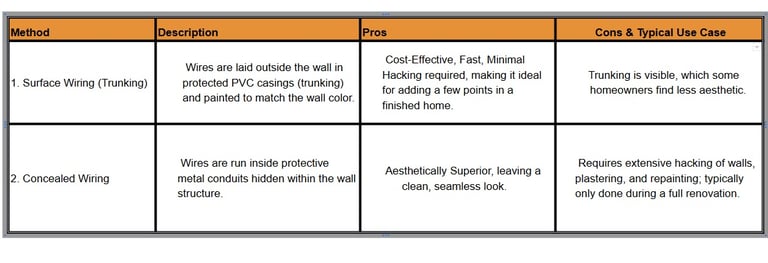
The Two Ways to Add Power Points
The method used greatly influences the cost and aesthetics:
Cost Indicator: Adding Power Sockets (Surface Wiring)
The cost to install a single new power socket is complex, covering materials, trunking, testing, and labour.
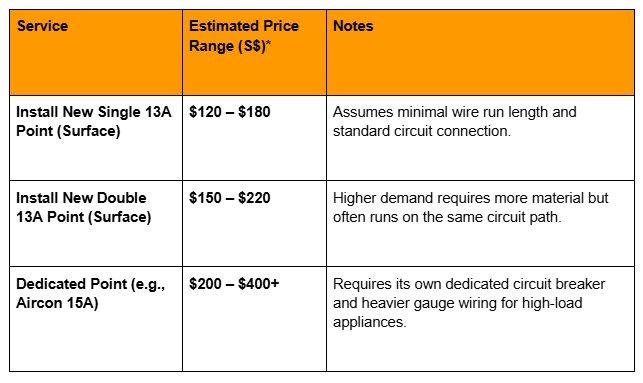
*Note: Prices indicative only for labour and basic material estimates for surface wiring and can vary based on distance from the DB box and specific circuit load requirements. It also differs from other contractors
SERVICES
Expert handyman & renovation services for homes, offices, and factories.
Contact
📞 Handyman Services: +65 8336 6682
✉️ Email: hello@handyman.sg | aaron@handyman.sg
About US: www.handyman.sg is proudly and exclusively owned and operated by Arctic Breeze Engineering. We maintain no affiliation with third-party listing platforms or independent 'Mr. Handyman' entities
www.handyman.sg
Owned and operated by:
Arctic Breeze Engineering
71 Woodlands Ave 10, #05-16 Woodlands Industrial Xchange, Singapore 737743
**Sister Company**
Reno Guys Pte Ltd
71 Woodlands Ave 10, #07-10 Woodlands Industrial Xchange, Singapore 737743
BUSINESS / FACTORY OFFICE ADDRESS
Contact
📞 Reno Guys / Office: +65 6993 8888
✉️ Email: aaron@renoguys.com.sg
🌐 Website: www.renoguys.com.sg